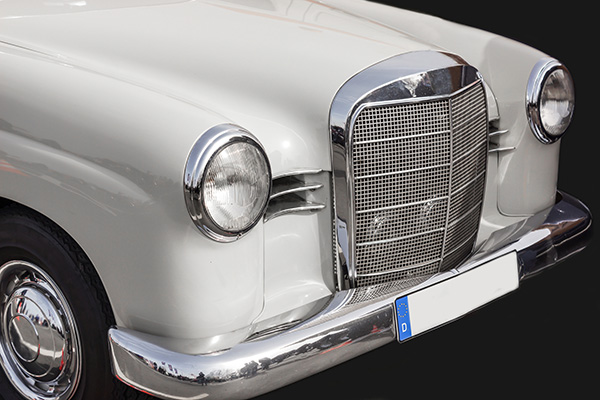
Classic car restoration is different from ordinary repair. You are not only making the vehicle run again. You are protecting its character, its history, and the details that made it special in the first place. That requires patience, careful planning, and respect for how the car was originally built.
A good restoration should not feel rushed or careless. Old metal, vintage trim, carbureted engines, worn wiring, original interiors, and hard-to-find parts all require a different pace. Before starting a classic car project, it helps to know what makes the process smoother, smarter, and more realistic.
1. Start With A Full Classic Car Inspection
Before any restoration plan is made, the car needs a detailed inspection. The paint, body panels, frame, floors, suspension, brakes, engine, transmission, wiring, fuel system, and interior should all be checked. A car can look beautiful from ten feet away and still hide rust, poor repairs, or missing parts.
This first step helps set expectations. Some classics need light mechanical work and detailing. Others need deep structural repair before cosmetic work makes sense. Starting with the whole picture helps avoid spending money in the wrong order.
2. Decide What Kind Of Restoration You Want
Not every classic car needs the same type of restoration. Some owners want a factory-correct build with original-style parts and finishes. Others want a reliable weekend cruiser with modern upgrades. Some prefer a restomod with improved brakes, suspension, A/C, fuel injection, or drivability.
The right direction depends on the car, its value, and how you plan to use it. A rare original car may deserve a more preservation-focused approach. A driver-quality classic may benefit from practical updates. Making that decision early keeps the project from drifting in too many directions.
3. Respect The Original Craftsmanship
Classic vehicles were built with different materials, tools, and design priorities than modern cars. Chrome trim, metal dashboards, hand-fitted panels, carburetors, older wiring, and analog gauges all need care. Forcing modern repair habits onto an older vehicle can damage parts that are hard to replace.
Respecting the original craftsmanship means slowing down and paying attention to how pieces come apart. Fasteners, clips, brackets, and trim should be labeled and stored carefully. Small details can make a big difference when the car goes back together.
4. Fix Rust Before Cosmetic Work
Rust is one of the biggest issues in classic car restoration. Surface rust may be manageable, but structural rust in floors, rockers, frame rails, trunk pans, or suspension mounting points is a bigger concern. Paint and body filler cannot fix the underlying weak metal.
Rust repair should come before final paint, trim, or interior work. If the foundation is not solid, the rest of the restoration is sitting on a problem. A proper repair may take longer, but it protects the car long after the shine returns.
5. Keep Parts Organized From The Start
A restoration can involve hundreds of small parts. Screws, clips, brackets, trim pieces, handles, emblems, interior hardware, electrical connectors, and weatherstripping can all disappear if they are not organized. Losing one small original part can slow the whole project down.
Bagging, labeling, photographing, and grouping parts by section can save time later. It also helps the shop understand what is original, what needs repair, and what needs replacement. Organization may not feel exciting, but it is one of the habits that separates careful restoration from chaos.
6. Do Not Ignore Old Wiring
Old wiring can create hard-to-track problems. Brittle insulation, corroded connectors, poor grounds, previous owner repairs, and overloaded circuits can lead to dim lights, weak charging, starting problems, gauge issues, or electrical shorts. Many classics have wiring that has been patched several times over the years.
The wiring should be inspected before the car is considered road-ready. Sometimes, cleaning connections and repairing small sections is enough. Other times, a wiring harness replacement makes more sense. Electrical safety is especially important when older vehicles are driven regularly.
7. Upgrade Only Where It Makes Sense
Modern upgrades can make a classic easier to enjoy, but not every upgrade belongs on every car. Disc brakes, improved cooling, better ignition, upgraded suspension, modern A/C, or fuel system improvements can be smart choices for a driver-focused build. The goal is to improve use without ruining the character.
A thoughtful shop will discuss the trade-offs. Some upgrades improve safety and reliability. Others may compromise originality or alter the car's feel too much. The best upgrades support the owner’s goals instead of turning the vehicle into something it was never meant to be.
8. Plan For Parts Availability
Classic car parts are not always sitting on a shelf. Some parts are reproduced, some must be rebuilt, and some need to be repaired because replacements are rare or of poor quality. Trim, glass, interior pieces, engine components, and model-specific hardware can take time to find.
That is why planning matters. A restoration timeline should allow for parts research, ordering delays, machine work, upholstery work, and specialty services. Rushing often leads to using the wrong parts or skipping details that should have been handled correctly.
9. Test Mechanical Systems Before Final Details
A classic car should be mechanically sorted before the final cosmetic details are treated as finished. The engine, brakes, steering, suspension, cooling system, charging system, fuel system, and transmission all need proper testing. A car that looks finished but overheats, pulls, leaks, or will not start reliably still needs work.
Road testing is part of the process when the car is safe to drive. It can reveal noises, vibrations, temperature issues, braking concerns, or tuning needs that do not show up in the shop. Regular maintenance after the restoration is also important, as older vehicles still require ongoing care.
10. Choose A Shop That Understands Patience
Classic car restoration takes patience from both the owner and the shop. Old cars do not always follow a simple repair path. Hidden rust appears. Parts need fitting. Previous repairs have to be corrected. One system may need attention before another can be finished.
The right shop respects the process and communicates clearly. That matters because restoration is personal. Owners care about the story behind the car, not only the final invoice. A careful approach helps protect the vehicle’s value, drivability, and old-school craftsmanship.
Get Classic Car Restoration In Walnut Creek, CA, With Prestige Autohaus
If you have a classic car that needs restoration, mechanical repair, careful upgrades, or a full inspection before the project begins, Prestige Autohaus in Walnut Creek, CA, can help protect the craftsmanship that makes the vehicle worth saving.
To discuss your goals for your classic car restoration, contact us and schedule an appointment.