Posted on 8/28/2026
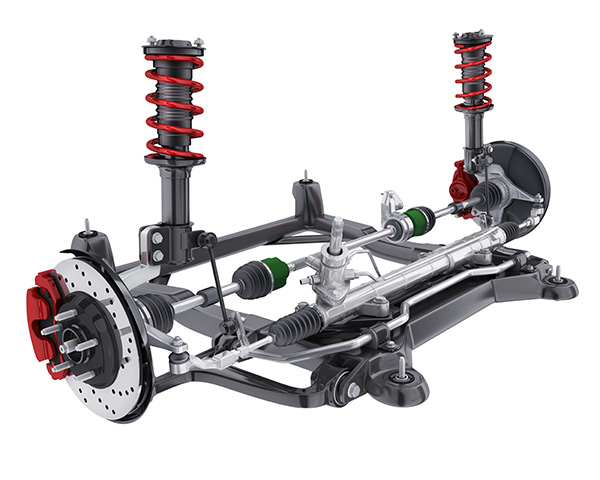
A sway bar reduces excessive body lean by linking the left and right sides of a vehicle’s suspension. When the vehicle enters a turn, weight shifts toward the outside tires. The outside suspension compresses while the inside suspension extends, causing the body to lean away from the direction of the turn. The sway bar twists as the two sides move differently and resists part of that motion. This helps the vehicle respond more directly to steering input, settle faster during direction changes, and maintain a more controlled position through corners. It is also known as an anti-roll bar or stabilizer bar. How a Sway Bar Works A sway bar is usually a solid or hollow steel bar mounted across the front or rear suspension. Its center section is secured to the chassis or subframe with bushings and brackets. Each end connects to the suspension through a sway bar link. When both wheels rise or fall together, such as when crossing a broad dip, the bar twists very littl ... read more
Posted on 7/31/2026
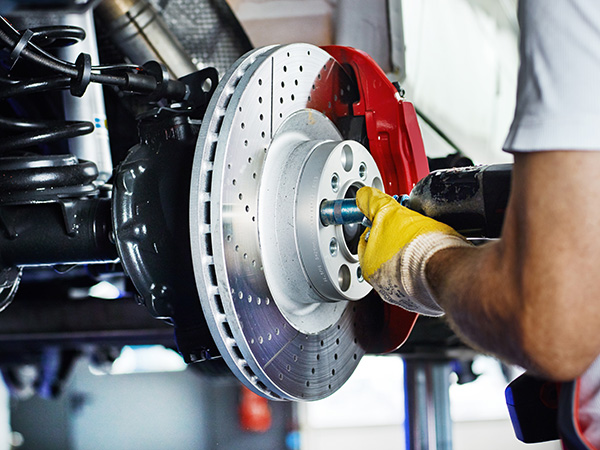
Brake service on a sports car is not the same conversation as brake service on a commuter sedan. The parts are more specialized, the heat levels are higher, and the expectations are different. A driver who enjoys back roads, spirited acceleration, or track days puts the braking system through a completely different workload. Carbon-ceramic brakes and steel brakes both stop the vehicle, but they do so with different strengths, costs, feel, wear patterns, and service needs. Choosing parts, inspecting wear, and deciding when to replace components should be based on how the car is driven, not only what the brake pedal feels like today. Carbon Ceramic Brakes And Steel Brakes Are Built For Different Priorities Steel brake rotors are the most common setup, even on many performance cars. They are strong, proven, easier to service, and less expensive to replace than carbon ceramic rotors. They handle daily driving well and can perform at a high level with the right pads, flu ... read more
Posted on 6/26/2026
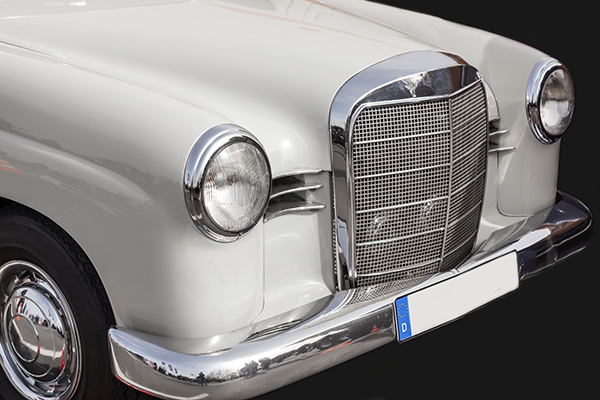
Classic car restoration is different from ordinary repair. You are not only making the vehicle run again. You are protecting its character, its history, and the details that made it special in the first place. That requires patience, careful planning, and respect for how the car was originally built. A good restoration should not feel rushed or careless. Old metal, vintage trim, carbureted engines, worn wiring, original interiors, and hard-to-find parts all require a different pace. Before starting a classic car project, it helps to know what makes the process smoother, smarter, and more realistic. 1. Start With A Full Classic Car Inspection Before any restoration plan is made, the car needs a detailed inspection. The paint, body panels, frame, floors, suspension, brakes, engine, transmission, wiring, fuel system, and interior should all be checked. A car can look beautiful from ten feet away and still hide rust, poor repairs, or missing parts. This first step help ... read more
Posted on 6/19/2026

An Alfa Romeo has a different personality than a basic commuter car. The steering feels sharp, the engine responds quickly, and the whole car feels more alive when everything is working correctly. That is also why small changes stand out. A warning light, fluid smell, rough start, or suspension noise can take away that confident feel fast. The best repair approach is to catch the issue while it is still specific and before one weak part starts affecting the rest of the vehicle. 1. Electrical Warnings And Battery Problems Alfa Romeo vehicles rely heavily on stable voltage and electronic communication. A weak battery, poor ground, charging issue, or failing sensor can trigger warning messages that seem unrelated at first. One day, it might be a start-stop warning. Another day, it might be a traction-control light, a check-engine light, or a strange message on the dashboard. That does not always mean several systems failed at once. Low voltage can make healthy systems ... read more
Posted on 4/15/2026
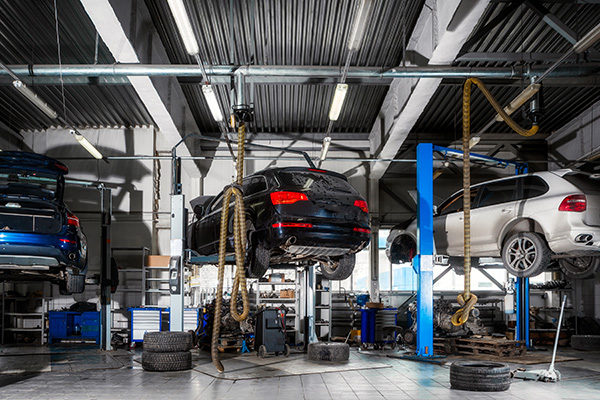
Most drivers do not wait until a full breakdown to ask questions. It usually starts with something small. A noise, a light, or a change in how the car drives. That moment creates uncertainty, and the same concerns recur across different vehicles. Clear answers help drivers make faster decisions and avoid unnecessary repairs. They also help you recognize when something needs immediate attention versus when you still have time to plan. 1. What Does It Mean When My Check Engine Light Comes On? A check engine light means the vehicle detected a fault in one of its systems. A steady light usually points to something that should be checked soon. A flashing light is more urgent and often tied to an active misfire. That condition can damage the catalytic converter if the car continues to run. 2. Why Is My Car Making A Squealing Noise? A squealing sound is often linked to worn brake pads or a loose belt. The location and timing of the noise help narrow it ... read more