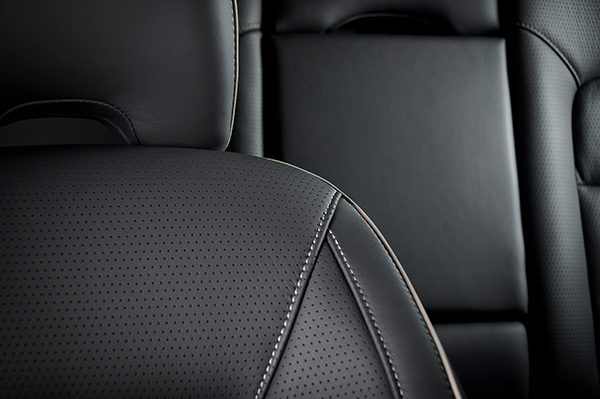
Cold winter air can be rough on leather seats and trim. The same low humidity and temperature swings that dry out your skin can pull moisture from leather, leaving it stiff, dull, and more likely to crack. With a little attention before and during winter, you can keep your interior soft, flexible, and looking good for years instead of watching it age a season at a time.
Why Cold Weather Is Hard on Leather Interiors
Leather prefers stable temperatures and moderate humidity. In winter, the air outside is dry, and heated cabin air dries it out even more. Every time you get in with a cold, damp coat, then crank the heat and seat warmers, the surface goes through quick expansion and contraction cycles.
Those swings pull natural oils out of the leather and open up tiny surface cracks. Road salt dust and grit from shoes also get ground into the seats, acting like sandpaper every time someone slides in or out. Over a couple of seasons, that combination can turn smooth leather into something that feels shiny, slick, and worn.
Common Winter Damage You Might Notice First
Winter damage usually creeps in slowly. Some early signs to watch for include:
- Dull, dry patches where the leather used to have a soft sheen
- Fine lines or wrinkles starting on the side bolsters and seat edges
- Stiff or noisy leather that creaks when you move
- Light-colored salt or dirt stains along the lower seat edges
- Dark wear marks where clothing rubs the same spot every day
If you notice more than one of these at the same time, it is a good moment to reset your interior care routine before those small marks turn into cracks or tears.
Clean Leather the Right Way Before the Temperature Drops
Winter protection starts with a proper cleaning. Dirt, body oils, and leftover products block conditioners from soaking in. A gentle leather cleaner and a soft brush or microfiber towel will lift grime out of the grain without stripping the material. Avoid household cleaners, glass cleaners, or anything with strong solvents, since those can dry and discolor the surface.
Work in small sections, wiping away residue as you go, so the cleaner does not sit and dry on the leather. Pay extra attention to bolsters, seams, and the driver’s seat, since they usually carry the most buildup. Once everything is clean and dry, you have a fresh surface that is ready to accept conditioner.
Conditioning Leather for Winter Protection
Conditioner is what replaces the oils that leather loses over time. A quality automotive leather conditioner will soak in, leave the surface supple, and not feel greasy or shiny. We like to apply a thin, even coat, let it sit for the time recommended on the label, then buff off any excess with a clean microfiber towel.
In colder months, it often makes sense to condition a bit more frequently, especially on the driver’s seat and steering wheel. Just do not pile on heavy layers all at once. Two light applications a few weeks apart are usually better than one heavy coat that just sits on the surface and attracts dust.
Daily Habits That Keep Leather From Drying Out
A few small habits make a big difference over a whole winter:
- Knock snow and salt off your shoes before getting in so it does not grind into the seats
- Avoid sliding across the seat more than necessary; lift and turn instead of scooting
- Use seat heaters on a moderate setting instead of full power for long periods
- Crack the windows briefly now and then to let moisture escape and balance humidity
- Throw a towel or seat cover over the seat if you are getting in with wet work clothes or sports gear
These simple steps reduce how much abuse the leather sees each day. They do not take long, but they go a long way toward keeping the interior from aging before its time.
When DIY Care Is Not Enough
If the leather already has deep cracks, heavy staining, or color worn through on the bolsters, basic cleaning and conditioning might not be enough. In those cases, a deeper treatment with steam-safe cleaning, re-dyeing, or professional filler work may be needed to stabilize the damage. Trying aggressive scrubbing or harsh products at home usually makes things worse.
A technician who works with interior materials regularly can tell you whether the leather can be brought back with careful cleaning and conditioning or if it is time to talk about repair or panel replacement. We have seen quite a few interiors that still had plenty of life left; they just needed the right products and a reset on how they were being cared for.
Get Leather Interior Protection in Walnut Creek, CA with Prestige Autohaus
We can inspect your leather, clean away built-up grime, and apply the right conditioners so your interior handles winter without drying out or cracking. We will walk you through simple habits and products that fit your vehicle and how you use it, so the seats stay comfortable and presentable year after year.
Call Prestige Autohaus in Walnut Creek, CA, to schedule leather interior protection before cold weather does its damage.