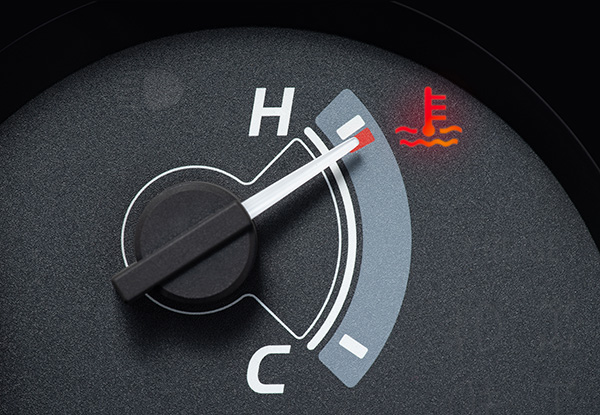
There is no safe amount of time to keep driving once an engine is overheating. Some engines can suffer serious damage within minutes, while others may survive a short temperature spike if the driver shuts them down quickly. The problem is that you cannot tell from the driver's seat how close the engine is to damaging a head gasket, cylinder head, bearings, or other internal parts.
If the temperature gauge moves into the red, a red temperature warning appears, or steam comes from under the hood, the right move is to pull over safely and shut the engine off. Trying to make it another few miles can turn a cooling-system repair into an engine repair.
Overheating Damage Can Happen Faster Than You Think
Engines are built to operate within a controlled temperature range. Once coolant temperature rises beyond that range, aluminum cylinder heads and other components begin expanding more than they were designed to.
That excess heat can distort sealing surfaces, weaken gaskets, and reduce the protection engine oil provides. At our shop, we never recommend driving an overheating vehicle just because the engine still sounds normal. Serious damage can be developing before you hear knocking or notice a major loss of power.
A Blown Head Gasket Is One of the Biggest Risks
The head gasket seals combustion pressure, coolant, and engine oil between the cylinder head and engine block. Severe overheating can warp the cylinder head enough to break that seal.
Once the gasket fails, coolant can enter a cylinder, combustion pressure can push into the cooling system, or oil and coolant can mix. You may later notice white exhaust smoke, repeated coolant loss, rough running, or pressure building quickly in the cooling system. A leaking hose is far cheaper to repair than the head gasket damage that can follow if you drive the engine hot.
Engine Oil Also Suffers When Temperatures Get Too High
Engine oil depends on the correct viscosity to maintain a protective film between bearings, camshafts, cylinder walls, and other moving parts. Extreme heat can thin the oil and reduce that protection.
If the engine continues running while badly overheated, internal metal surfaces can wear quickly. Bearings are especially vulnerable when high coolant temperatures combine with low or deteriorated oil. That is one reason an overheating problem can eventually lead to knocking or low oil pressure even after the original cooling-system failure has been repaired.
What Should You Do When the Temperature Starts Climbing?
If the gauge moves above its normal position but has not reached the danger zone, turn off the A/C and watch the temperature closely as you drive to a safe place to stop. If the gauge continues climbing, do not keep driving.
Once you are safely parked, shut off the engine. Do not open the radiator cap or pressurized coolant reservoir while the system is hot. Hot coolant can spray out under pressure and cause severe burns. Let the vehicle cool completely before anyone checks the coolant level or begins an inspection.
Common Cooling Problems Can Become Expensive if Ignored
The problem that started the overheating may be relatively straightforward. A failed thermostat, leaking hose, weak water pump, broken radiator fan, damaged radiator, or low coolant level can all cause the temperature to rise.
Warning signs include:
- Temperature gauge climbing above normal
- Red temperature warning
- Steam from under the hood
- Coolant smell
- Cabin heater suddenly blowing cold
- Cooling fan not running in traffic
- Coolant leaking underneath the vehicle
- Engine losing power as temperature rises
Catching one of these problems early can keep the repair focused on the cooling system instead of the engine itself.
Do Not Assume the Engine Is Fine Because It Cooled Back Down
Some drivers pull over, let the vehicle cool for twenty minutes, and then continue the trip because the gauge returns to normal. That can be risky if the original problem remains.
A leaking cooling system will still leak, a failed fan will still fail when traffic slows, and a thermostat can stick again. Repeated overheating is especially hard on cylinder heads and gaskets because each heat cycle adds more stress. Regular maintenance gives us chances to catch coolant leaks, worn hoses, and fan problems before the first overheating event happens.
After an Overheat, the Engine Should Be Checked for Damage
If the engine reached the red zone, lost a large amount of coolant, or was driven while severely overheated, repairing the cooling-system fault may not be the end of the job. We also want to know whether the engine itself survived without damage.
That can include checking for combustion gases in the cooling system, cooling-system pressure, compression, oil contamination, and abnormal engine noise. The sooner you inspect it, the easier it is to separate the original cause from any damage caused by continuing to drive.
Get Overheating and Engine Diagnosis In Walnut Creek, CA, With Prestige Autohaus
If your engine is overheating, losing coolant, or has already been driven while the temperature was in the red, Prestige Autohaus in Walnut Creek, CA, can inspect the cooling system and check whether the engine suffered additional damage.
Schedule an overheating diagnosis before a manageable cooling-system failure turns into a head gasket, cylinder head, or complete engine repair.