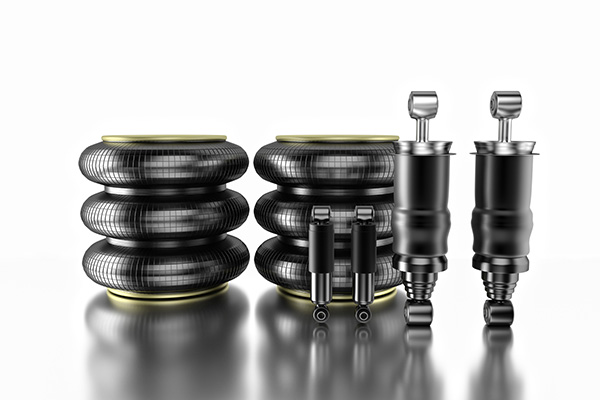
Air suspension is one of those features you forget about when it’s working. The car sits level, it glides over rough pavement, and it stays composed when you load up passengers or cargo. When it starts failing, though, it’s hard to miss. The ride height looks off, warnings pop up, and the car can feel unsettled, making you back off from driving it.
European luxury cars use air suspension to balance comfort, handling, and ride height control. The downside is that you’ve got more parts, seals, and sensors than in a traditional spring setup. As these cars age, a few recurring failure patterns keep popping up.
How Air Suspension Works Without Getting Too Technical
At the simplest level, air suspension replaces coil springs with air springs. A compressor pumps air, valves direct it, and sensors report ride height to a control module. The system raises or lowers the vehicle based on driving conditions and load.
Because it’s actively managing height, it’s always reacting. That means small leaks or slow sensors can become noticeable quickly, and the system may work harder to compensate until it can’t.
What Drivers Usually Notice First
Most drivers notice one of these early:
- One corner sits lower after the car has been parked
- The car takes longer than it used to to raise up after starting
- The compressor is louder or runs more often
- The ride gets harsher over bumps, almost like the suspension is not cushioning the way it should
- Warning messages related to ride height show up intermittently
If you catch it at this stage, you can avoid the snowball effect where the compressor gets overworked trying to keep up with a leak.
The Most Common Failure Patterns In European Luxury Air Suspension
Air-suspension failures tend to fall into a few categories. The symptoms can overlap, but the root cause is usually one of these patterns.
Air Spring Leaks From Age And Cracking
Air springs are made of rubber, and rubber ages. Heat, road grime, and constant flexing can cause small cracks, especially in the folds. A tiny leak might only show up overnight at first. Over time, it becomes a steady sag or a corner that drops faster than the others.
A good clue is a car that looks fine while driving, then sits lower after being parked. If it’s always the same corner, that points strongly to an air spring leak at that corner.
Compressor Wear From Working Too Hard
Compressors can wear out on their own, but a lot of compressor failures start with a leak elsewhere. The compressor runs longer and more often to maintain ride height, and eventually it overheats or weakens. You may notice it sounds louder, runs for longer after startup, or struggles to raise the car in a reasonable time.
Once a compressor starts to fail, the system may go into a protective mode and limit ride height adjustment. At that point, the vehicle can sit low and stay there.
Valve Block And Air Line Leaks
The valve block directs air to different corners. If seals inside the valve block leak, or if an air line connection seeps, air can bleed off in ways that look like multiple problems at once. Sometimes the car will drop in the rear, then later it’s the front. Sometimes it drops unevenly depending on where it was parked.
Air line leaks can also be sneaky because they may only leak when the line is flexed a certain way, like during turning or full suspension travel.
Height Sensor Or Control Issues
Ride height sensors tell the control module where the car is sitting. If a sensor is bent, worn, or sending inconsistent readings, the system can overcorrect or misjudge height. That can create odd behavior, like the vehicle raising when it should not, lowering unexpectedly, or throwing warnings even when the air springs are fine.
Electrical issues can also cause intermittent faults. Corrosion in connectors, water intrusion, or wiring strain near suspension movement points can create on and off problems that are hard to reproduce without the right testing approach.
Why Driving On A Failing Air Suspension Can Get Expensive
The obvious risk is drivability. A car that sits low can bottom out more easily and can stress other components. But the bigger cost risk is what happens to the compressor. If the system is leaking and the compressor keeps trying to keep up, it can burn out. Then you’re dealing with the original leak plus a worn compressor, which is a bigger repair path.
A vehicle that’s riding at an incorrect height can also create uneven tire wear and alignment issues. We’ve seen inside edges get worn down quickly because the suspension geometry is no longer where it should be.
Owner Habits That Accelerate Air Suspension Problems
Ignoring a slow sag is the big one. Drivers get used to the car sitting a little low in the morning and assume it’s just how the system behaves. The system should hold height consistently. If it isn’t, something is leaking or bleeding down.
Another habit is repeatedly forcing height changes. Some drivers keep cycling the height settings, trying to make it “wake up.” That can put extra work on a compressor that’s already struggling. Also, if you’re dealing with winter travel or heavy dust conditions, letting grime build up around air springs and sensors can shorten their life.
A Practical Plan To Handle It Without Guessing
Air suspension can’t be diagnosed correctly by eyeballing it. The right approach is to identify whether air is leaking, whether the compressor is meeting pressure targets, and whether the system is controlling height accurately.
We typically start by confirming the complaint and checking ride height behavior after the car has sat. Then we inspect air springs for cracking, check for leaks at fittings, evaluate compressor operation, and review system data for pressure and sensor readings. The goal is to fix the cause first, so you’re not replacing a compressor when the real culprit is a leaking air spring.
Get Air Suspension Service In Walnut Creek, CA With Prestige Autohaus
If your vehicle is sitting unevenly, taking longer to raise up, or showing air suspension warnings, we can inspect the system, locate leaks, evaluate compressor performance, and confirm what needs to be repaired first. We’ll explain the findings clearly and help you choose the repair path that keeps the system reliable going forward.
Book your service at Prestige Autohaus in Walnut Creek, CA, and let’s get your ride height and ride quality back under control.