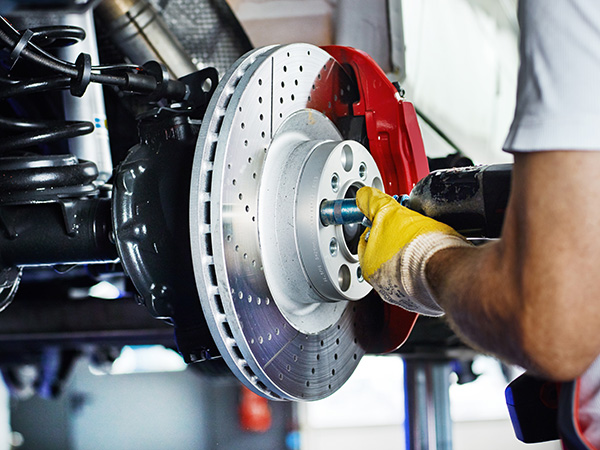
Brake service on a sports car is not the same conversation as brake service on a commuter sedan. The parts are more specialized, the heat levels are higher, and the expectations are different. A driver who enjoys back roads, spirited acceleration, or track days puts the braking system through a completely different workload.
Carbon-ceramic brakes and steel brakes both stop the vehicle, but they do so with different strengths, costs, feel, wear patterns, and service needs. Choosing parts, inspecting wear, and deciding when to replace components should be based on how the car is driven, not only what the brake pedal feels like today.
Carbon Ceramic Brakes And Steel Brakes Are Built For Different Priorities
Steel brake rotors are the most common setup, even on many performance cars. They are strong, proven, easier to service, and less expensive to replace than carbon ceramic rotors. They handle daily driving well and can perform at a high level with the right pads, fluid, tires, and cooling.
Carbon ceramic brakes are designed for heat resistance, reduced weight, and high-performance use. They are much lighter than steel rotors, which helps reduce unsprung weight. On a performance car, that can improve handling response, suspension behavior, and braking consistency under hard use.
The tradeoff is cost and service sensitivity. Carbon-ceramic systems are expensive, and improper pad choice, poor handling, or incorrect inspection methods can turn brake service into a very costly mistake.
How Carbon Ceramic Brakes Behave On The Street
Carbon-ceramic brakes have a reputation for exotic performance, but street driving does not always showcase their best side. In normal traffic, they may feel different from steel brakes, especially when cold. Some drivers notice more noise, a different pedal feel, or less initial bite until heat builds.
That does not mean the brakes are bad. It means they are designed around a different operating range. Carbon ceramic brakes shine when temperatures climb and braking demand is high. They resist fade well and can stay consistent during aggressive driving better than many steel setups.
For drivers who mostly use the vehicle on the street, carbon-ceramic brakes may last a long time if properly maintained. Still, they need careful inspection because wear is not always judged the same way as steel rotors.
Why Steel Brakes Still Make Sense For Many Drivers
Steel brakes remain popular for a reason. They are predictable, serviceable, and more affordable. For many sports car owners, a high-quality steel rotor and pad setup is a better fit for regular street use and occasional spirited driving.
Steel rotors are also more forgiving. They can be measured for thickness, checked for scoring, inspected for heat cracks, and replaced at a much lower cost than carbon ceramic rotors. Pad options are broad, which makes it easier to match the brake feel to the driver’s needs.
The downside is heat. Heavy braking can overheat steel rotors and pads if the system is not suited for the way the car is driven. That can lead to vibration, fade, pedal changes, rotor cracking, pad transfer, or faster wear.
Brake Pads, Rotors, And Sensors Need To Be Matched
Performance brake service is not only about replacing worn pads. The pad compound, rotor material, brake fluid, wear sensors, hardware, and driving use all have to work together.
Carbon ceramic rotors require compatible pads. The wrong pad can damage the rotor surface, create poor bite, increase noise, or shorten rotor life. Steel rotors also require the right pad choice, as street pads, performance street pads, and track pads behave differently.
Track-style pads may handle heat well, but they can be noisy, dusty, harsh on rotors, and weak when cold. Street pads are more comfortable in daily use, but they may fade if pushed too hard. Matching parts to the vehicle and driver prevents many brake complaints.
Driving Style Changes The Service Plan
A sports car used for weekend drives does not need the same brake plan as one used for repeated track days. Track driving creates much higher brake temperatures and can age pads, fluid, rotors, and seals quickly. Even one hard event can change what the vehicle needs.
Brake fluid is especially important. High heat can break down fluid and introduce moisture concerns over time. Old fluid can create a softer pedal when hot and reduce confidence during repeated braking. Fresh, correct-spec fluid is a key part of performance brake service.
Tires also affect braking. A powerful brake system cannot do its job if the tires cannot hold the road. Worn or poor-quality tires can make even expensive brakes feel less secure.
Warning Signs Your Sports Car Brakes Need Attention
Brake wear on a performance vehicle should not be ignored until the warning light appears.
- A vibration during braking can point toward pad deposits, rotor thickness variation, heat stress, or worn suspension parts that show up under brake load.
- A squeal, scrape, grind, or clicking sound can mean pad wear, loose hardware, sensor contact, debris, or rotor surface damage.
- A longer stopping distance can come from worn pads, overheated brakes, old fluid, tire problems, or mismatched components.
- A soft or sinking brake pedal can point toward fluid issues, air in the system, leaks, or hydraulic trouble.
- Heavy brake dust, uneven pad wear, or one wheel getting hotter than the others can point toward caliper, hardware, or pad movement concerns.
These signs deserve a careful inspection before aggressive driving or a long trip.
Why Inspection Quality Is So Important
Steel and carbon-ceramic rotors are inspected differently. Steel rotors are measured for thickness, runout, scoring, cracks, and heat damage. Carbon-ceramic rotors may require weight checks, surface inspections, adherence to manufacturer-specific limits, and careful review for chips, cracks, or impact damage.
Carbon ceramic rotors should also be handled carefully during wheel work. A dropped wheel, careless tool contact, or impact near the rotor edge can cause expensive damage. That is one reason sports car brake service should be handled by people familiar with performance braking systems.
Regular maintenance helps keep the brake system reliable, but the details have to match the car. Brake fluid age, pad compound, rotor condition, caliper operation, tire grip, and driving use all shape the right service decision.
Get Sports Car Brake Service In Walnut Creek, CA, With Prestige Autohaus
If your sports car has carbon-ceramic brakes, steel brakes, brake noise or vibration, worn pads, old fluid, or track-day service needs, Prestige Autohaus in Walnut Creek, CA, can inspect the system and recommend the right brake service for how you drive.
For performance brake service that protects stopping power and expensive components, contact us to schedule an appointment.